
BLOG
How Heavy Rain and Surface Water Pooling Can Affect Homes in Clayton and East Oakleigh
Heavy rain can expose drainage and maintenance problems around homes in Clayton and East Oakleigh. Water collecting near external walls, driveways or garden areas may indicate blocked drainage points, poor surface falls or runoff being directed towards the property.
Some water pooling disappears shortly after rain. However, repeated pooling in the same location can contribute to dampness, damage outdoor structures and affect surrounding materials. Identifying where the water comes from is the first step towards addressing the problem.
Where Water Commonly Collects Around a Property
Pay attention to areas where rainwater naturally gathers, particularly:
Low sections of driveways and paved paths.
Garden beds beside external walls.
Areas beneath downpipes.
Ground around sheds, fences and timber structures.
Courtyards and paved outdoor spaces.
Leaves, dirt and garden debris can block surface grates and prevent water from flowing away. Paving that slopes towards a building can also direct rainwater towards external walls rather than away from them.
Warning Signs of Ongoing Water Problems
Repeated exposure to water can affect building materials over time. Look for bubbling paint, damp patches, swollen timber, deteriorating fence posts and soft sections around external doors.
Water collecting near a wall may also contribute to moisture entering the property, particularly where existing seals or external finishes are damaged.
After heavy rain, check whether the same areas remain wet long after surrounding surfaces have dried. Persistent pooling deserves attention, especially when it occurs close to the building.
Understanding Stormwater Responsibilities in Monash
In Monash, property owners are generally responsible for private stormwater drains and pipes within their property up to the connection with the council drainage network. Council maintains its own public drainage assets, including street drainage infrastructure.
This distinction matters when investigating a drainage problem. A blocked private drain and an overloaded public drainage system require different responses. Monash Council also identifies debris blockages, tree roots and drainage capacity as common causes of stormwater problems.
Water flowing from a neighbouring property may involve separate responsibilities. Property owners should establish where the runoff originates before deciding how the issue should be addressed.
Reducing Water Damage Around Your Home
Regular outdoor checks can help identify problems before they become more serious. Keep visible drainage grates clear of leaves, check that downpipes direct water towards appropriate collection points and look for changes in paving or garden levels.
Avoid covering areas where water repeatedly collects with additional soil or decorative materials. This can hide the problem without correcting the direction of water flow.
If water continues collecting near external walls, damaged surfaces or timber structures, the underlying cause should be assessed. Persistent drainage issues may require a qualified drainage specialist, while minor maintenance defects can be addressed separately.
Why Early Attention Matters
Surface water pooling is not always a major problem, but repeated water accumulation should not be ignored. Regular checks around driveways, gardens, external walls and outdoor structures help identify changes after heavy rain.
For property owners in Clayton and East Oakleigh, understanding where water collects and how it leaves the property makes it easier to recognise maintenance concerns and prevent avoidable deterioration.
DISCOVER WHAT OUR CUSTOMERS HAVE TO SAY ABOUT US
REVIEWS
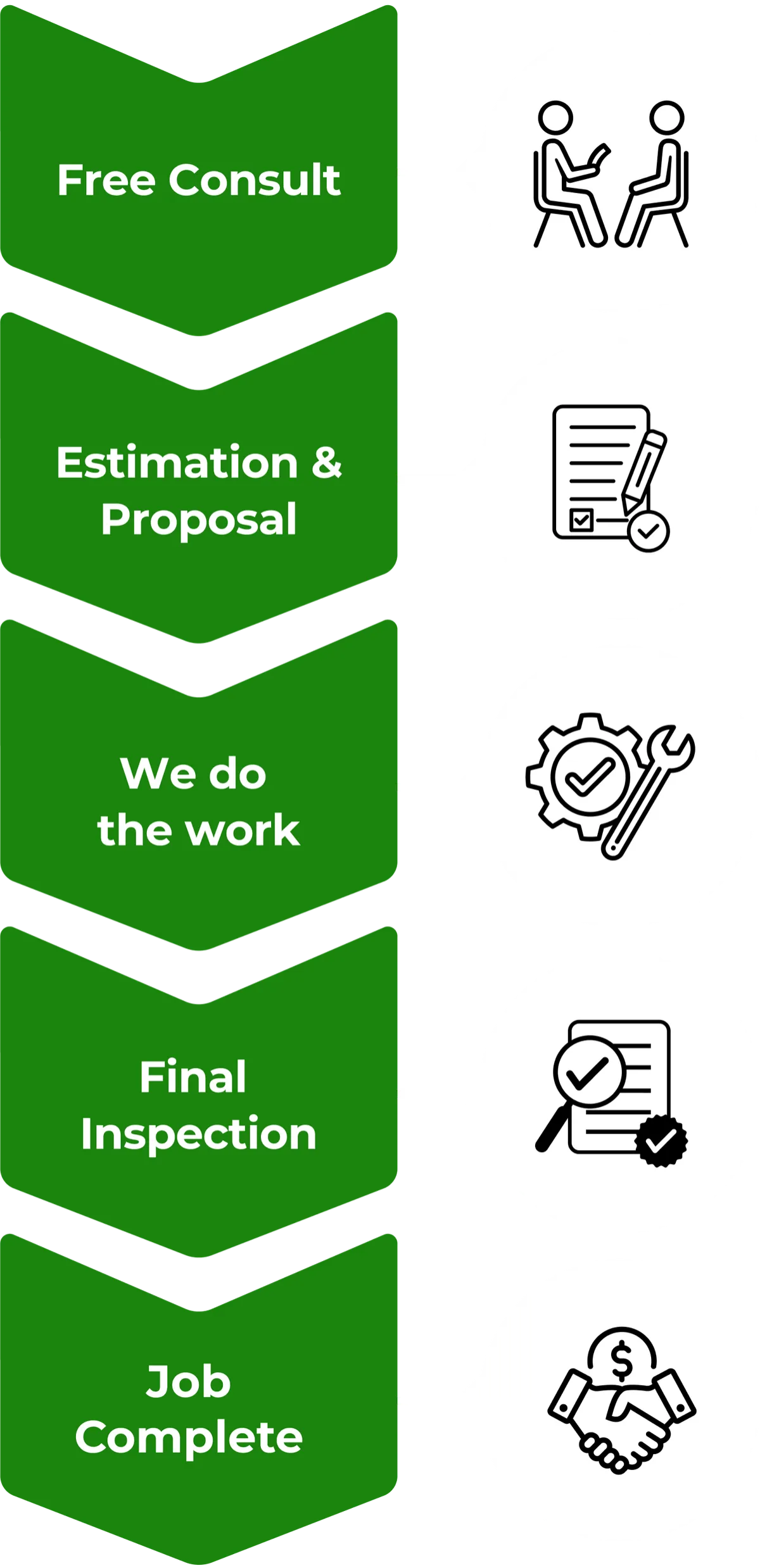
our process
Our process is simple and only contains a few simple steps

SERVICE AREAS
proudly serving Clayton

READY TO take the next step?
get a free quote TODAY!
PLR Property Maintenance Handyman
179/248-266 Osborne Ave, Clayton South VIC 3169
