
SERVICES
Deck & Pergola Repairs
Practical repairs for worn timber decks and pergolas to help maintain existing outdoor areas around your Clayton property.
GET A FREE QUOTE
100% local
20 Years Hands-On Experience
Owner Operated
Quality Workmanship
What Is Deck & Pergola Repairs?
Deck and pergola repairs in Clayton address wear and damage affecting existing outdoor timber structures. Decking boards, exposed timber and fixings can deteriorate through regular weather exposure, moisture and everyday use. Boards may become loose, cracked or rough, while timber sections can show signs of decay around joints and areas where water collects. Pergolas can also develop problems as exposed components age, connections loosen and finishes wear away. Leaving these issues unattended may lead to further deterioration and make outdoor areas less practical to use. Suitable repairs can address localised damage and help maintain the condition of existing structures. The work depends on the material, the location of the damage and the overall condition of the deck or pergola. Where there are concerns about structural stability, a suitably qualified building practitioner or structural engineer should assess the structure before repair work proceeds.
Why Choose PLR Property Maintenance for Deck & Pergola Repairs
Repairs Focused on Existing Structures
This service focuses on maintaining and repairing decks and pergolas already in place. Work may address localised timber damage, loose components and worn sections where the condition of the structure allows a practical repair. The aim is to deal with the identified issue without presenting the job as a new building or construction project.
Attention to Exposed Timber
Outdoor timber faces repeated exposure to rain, sunlight and changing temperatures. These conditions can affect boards, joints and protective finishes over time. Checking the affected timber and its surrounding areas helps establish the type of repair required and whether the material remains suitable for further use.
Care Around Outdoor Living Areas
Decks and pergolas are often connected to gardens, paths, entertaining spaces and home access points. Repair work needs to take these surrounding areas into account. Discussing the location and condition of the damaged section helps clarify the work involved and how the area will be treated during the repair.
Direct Communication With the Owner
You can discuss the condition of your deck or pergola directly with the owner. Explain which boards, timber sections or fittings have deteriorated and describe any changes you have noticed. This gives you a clear opportunity to discuss the required repair and identify whether the issue needs assessment by a specialist.
What Deck & Pergola Repairs Covers
Deck and pergola repairs can include suitable repairs to existing timber boards, addressing loose or damaged sections, attending to worn timber components and replacing localised damaged material where appropriate. Work may also involve checking accessible fixings, repairing minor timber defects and addressing weathered sections of an existing pergola. The condition of the structure determines what can be repaired safely. Major structural damage, unstable supports and extensive rebuilding are outside the scope of this service and require assessment by an appropriately qualified professional.
Signs You Need Deck & Pergola Repairs
Look for deck boards that move underfoot, raised nails or screws, splintered surfaces and timber that appears soft, discoloured or damp. Pergolas may show loose connections, cracked timber or sections that have started to sag. Water collecting around posts or joints can also contribute to timber deterioration. In Clayton, outdoor structures experience changing weather throughout the year, so regular checks can help identify wear before it spreads. October to December is a useful period to review outdoor areas before increased seasonal use. If a deck or pergola feels unstable, restrict access and arrange an assessment by a suitably qualified professional.
DISCOVER WHAT OUR CUSTOMERS HAVE TO SAY ABOUT US
REVIEWS
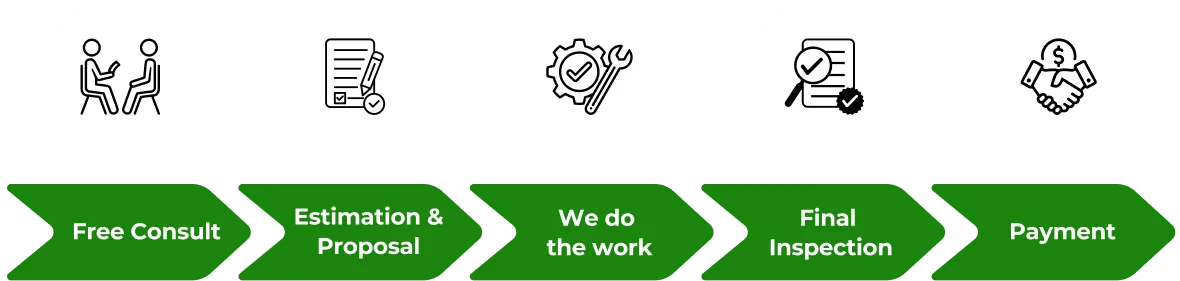
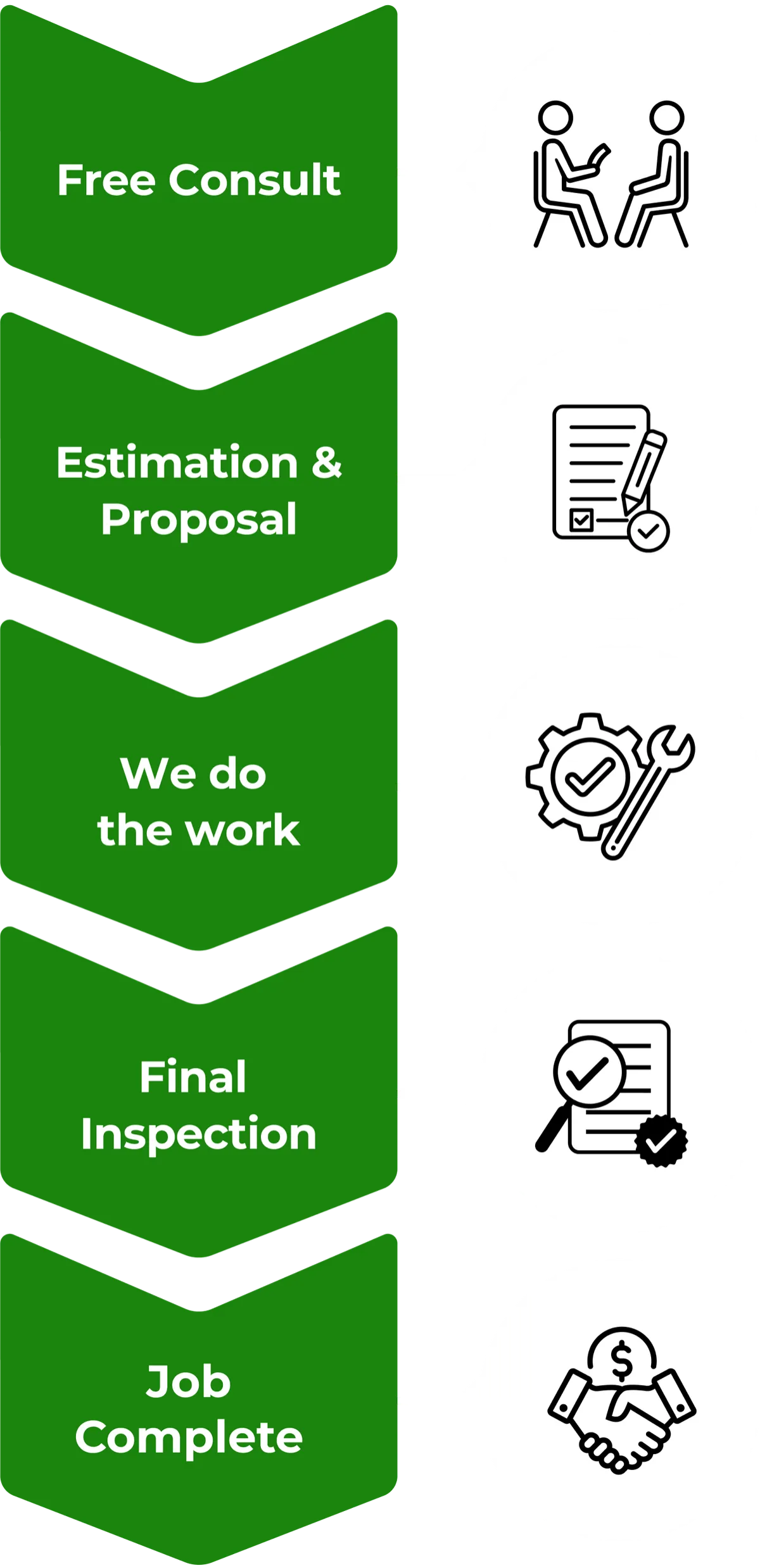
our process
A simple process from first call to finished job.
SERVICE AREAS
proudly serving Clayton

FREQUENTLY ASKED QUESTIONS
Your questions answered
What types of deck repairs can you help with?
The service covers suitable repairs to existing timber decking, including localised damaged boards, loose components and worn sections. The type of repair depends on the condition of the timber and the surrounding structure. If the damage affects the deck's stability, a qualified professional should assess it before work proceeds.
Can you repair an existing pergola?
Yes. Suitable pergola repairs may include addressing localised timber damage, worn components and accessible loose fittings. The condition of the existing structure determines whether the repair is appropriate. Extensive damage, unstable supports or significant movement require assessment by a suitably qualified building practitioner.
How can I tell if my deck boards need attention?
Check for boards that move, feel soft, have visible cracks or produce splinters. Raised nails and screws, discolouration and damp areas can also indicate deterioration. Pay particular attention to timber joints and areas where water tends to collect, as moisture can contribute to decay over time.
Can damaged deck boards be replaced individually?
A localised board may be suitable for replacement if the surrounding timber and supporting components remain in good condition. The affected area needs to be checked before deciding. If damage extends beyond the visible board or involves supporting components, a more detailed assessment may be necessary.
When should a deck or pergola be professionally assessed?
Arrange an assessment if the structure moves noticeably, feels unstable, has sagging sections or shows significant timber decay. Loose or deteriorated handrails and connections also need attention. The Victorian Building Authority advises owners to restrict access to a deck or balustrade if its stability is in doubt and contact a suitably qualified professional.
READY TO take the next step?
get a free quote TODAY!
PLR Property Maintenance Handyman
179/248-266 Osborne Ave, Clayton South VIC 3169
