
SERVICES
Hedge Trimming & Pruning
Keep hedges neat, manageable and in proportion with practical trimming and pruning for properties in Clayton.
GET A FREE QUOTE
100% local
20 Years Hands-On Experience
Owner Operated
Quality Workmanship
What Is Hedge Trimming & Pruning?
Hedge trimming in Clayton helps manage the shape, size and growth of established hedges and shrubs. Regular cutting removes excess growth, keeps boundaries looking tidy and can help prevent branches from spreading across paths, driveways and neighbouring spaces. Without attention, fast-growing hedges may become uneven, block windows or reduce access around outdoor areas. Pruning also involves selectively removing dead, damaged or unwanted branches to maintain the plant's structure. The right approach depends on the plant species, its condition and the result required. Some hedges respond well to light, regular trimming, while flowering varieties may need pruning after they bloom to avoid removing developing flowers. Timing matters because unsuitable cutting can affect future growth. For homeowners and property managers, keeping hedges under control helps maintain usable outdoor spaces and a well-kept appearance around the property.
Why Choose PLR Property Maintenance for Hedge Trimming & Pruning
Trimming That Suits the Plant
Different hedge varieties have different growth patterns and pruning requirements. Some benefit from regular light shaping, while others need attention at particular points in their flowering or growth cycle. Considering the type and condition of the hedge helps determine an appropriate approach rather than cutting every plant in the same way.
Maintaining a Neat Shape
Uneven growth can make a hedge look untidy and cause branches to extend into areas where they are not wanted. Trimming can help restore a more consistent outline and keep the hedge in proportion with nearby garden features. Attention to the sides and top helps create a neater appearance without unnecessary cutting.
Practical Care Around Your Property
Hedges often sit beside fences, paths, driveways and neighbouring properties. Their growth can affect access and visibility when left unattended. The work is considered in relation to the surrounding space, helping keep outdoor areas usable while addressing the growth that needs attention.
Clear Communication About the Required Work
You deal directly with the owner when discussing hedge trimming and pruning. You can identify which hedges need attention, explain whether you want routine shaping or more selective pruning, and discuss any areas of concern. This helps establish the intended result and the work involved before the job begins.
What Hedge Trimming & Pruning Covers
Hedge trimming and pruning can include shaping established hedges, reducing excess growth, tidying uneven sides and tops, and removing suitable dead or damaged branches. The work may also include light pruning of selected shrubs where appropriate. The type of plant, its current condition and its flowering cycle affect the timing and amount of growth that can be removed. Larger tree work and extensive vegetation removal are outside the scope of this service.
Signs You Need Hedge Trimming & Pruning
Hedges may need attention when branches extend over paths, driveways or fences, the top becomes uneven, or the sides grow beyond their intended boundary. Dense growth can also reduce light around windows and garden areas. Look for dead or damaged branches and shrubs that have lost their shape. In Clayton, spring and early summer growth can make trimming needs more noticeable, with November and December often busy months for hedge work. Flowering hedges should be checked before cutting because pruning at the wrong time can remove developing flowers.
DISCOVER WHAT OUR CUSTOMERS HAVE TO SAY ABOUT US
REVIEWS
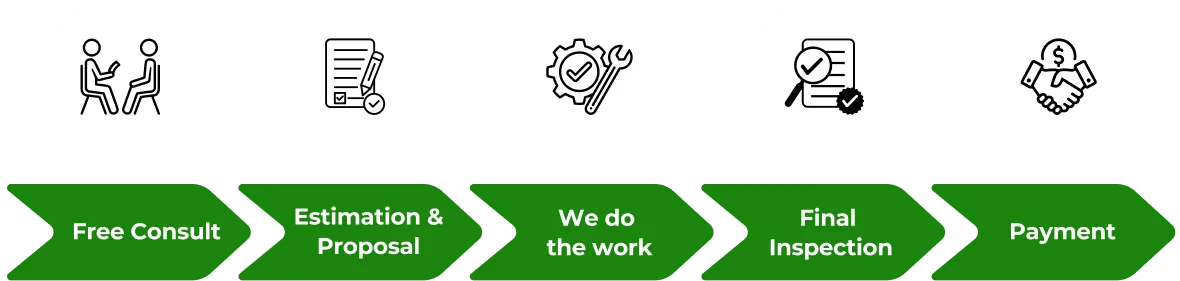
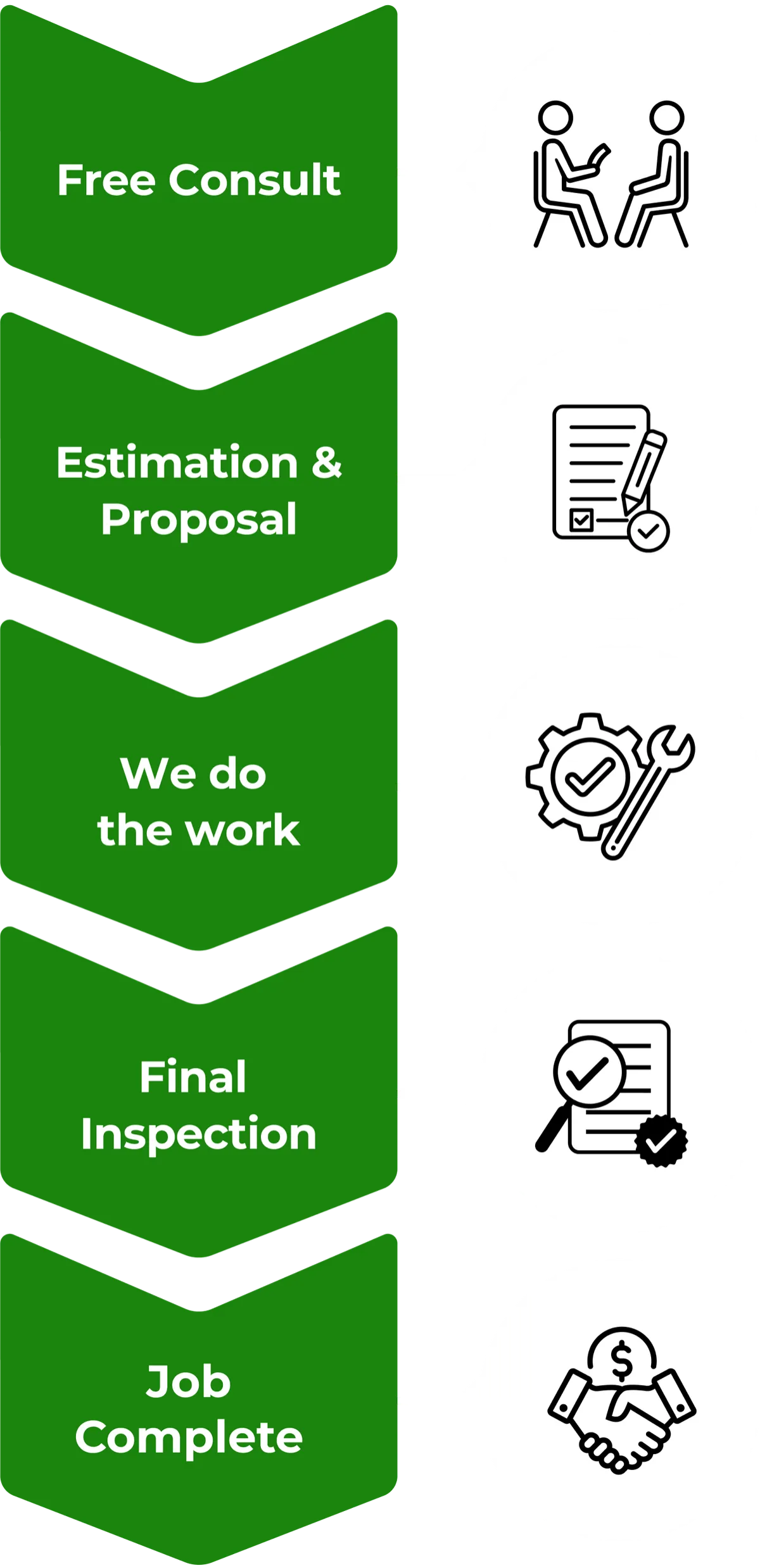
our process
A simple process from first call to finished job.
SERVICE AREAS
proudly serving Clayton

FREQUENTLY ASKED QUESTIONS
Your questions answered
How often should hedges be trimmed?
The frequency depends on the plant variety, growth rate and appearance you want to maintain. Some formal hedges need several light trims during active growth, while slower-growing or informal hedges may need less frequent attention. The condition and type of hedge help determine a suitable schedule.
When is the best time to trim hedges in Clayton?
Timing depends on the hedge species and whether it flowers. Many established evergreen hedges can be shaped in late winter or early spring, while spring-flowering varieties are generally pruned after flowering. Avoid heavy cutting during extreme heat, and check for nesting birds before trimming.
What is the difference between hedge trimming and pruning?
Hedge trimming mainly controls the overall shape, height and width of a hedge by cutting back excess growth. Pruning is more selective and may involve removing dead, damaged or unwanted branches. Both methods can help maintain a plant, but the appropriate technique depends on its species and condition.
Can overgrown hedges be brought back into shape?
Many broadleaf hedges can be reduced gradually, depending on their condition and ability to regrow. Cutting too much at once can damage some plants, while certain conifers may not regrow from older bare sections. The hedge type and amount of overgrowth should be assessed before deciding how much to remove.
Should flowering hedges be trimmed before they bloom?
Spring-flowering hedges are generally trimmed after flowering because cutting beforehand may remove the growth carrying the flower buds. Other varieties have different pruning periods, so the plant type matters. Identifying the hedge before work begins helps determine a suitable time for trimming.
READY TO take the next step?
get a free quote TODAY!
PLR Property Maintenance Handyman
179/248-266 Osborne Ave, Clayton South VIC 3169
