
BLOG
A Practical Guide to Home Maintenance and Common Handyman Repairs for Clayton South Properties
Regular home maintenance helps prevent small defects from developing into larger repair jobs. In Clayton South, properties range from older detached houses to newer townhouses and units, so maintenance needs can vary with the age, materials and layout of each home. Some problems are easy to spot, such as a loose door handle or peeling paint. Others develop gradually, including swollen timber, deteriorating sealant and movement in gates or outdoor structures.
A useful maintenance routine is not about constantly renovating a property. It is about checking the parts of a home that experience regular use and dealing with wear before it affects other materials. Keeping a record of recurring problems also helps identify whether an issue is isolated or part of a wider pattern.
Start With Areas That Experience Daily Wear
Doors, hinges, handles, locks and cupboard fittings are used repeatedly. Over time, screws can loosen, hinges can move out of alignment and latches may stop engaging properly. A door that begins scraping against its frame may have loose hinges, movement in the frame or changes caused by moisture. Tightening a fitting may help when the problem is minor, but damaged screw holes or a distorted frame need closer inspection.
Walls and painted surfaces also show signs of everyday use. Scuffs near hallways, chipped paint around door frames and marks behind furniture are common. Before repainting, check whether the surface is simply marked or whether paint is lifting because of moisture or poor adhesion. Painting over a damp or unstable surface usually leads to further peeling.
Furniture and fittings should also be checked periodically. Flat-pack furniture can loosen as joints and fasteners experience repeated movement. Shelves and mirrors need suitable fixings for the wall material and the weight they will carry. Plasterboard, masonry and timber framing require different fixing methods, so the wall type should be identified before drilling.
Check for Moisture Before Repairing Surfaces
Moisture is a common cause of deterioration around homes. Water can enter through damaged roof coverings, failed external sealant, overflowing gutters or poor drainage around the building. Inside, signs may include bubbling paint, discoloured plaster, swollen skirting boards or a persistent musty smell.
In Clayton South, wet weather can expose weaknesses in gutters, downpipes and outdoor drainage. Water should flow away from the building rather than collect beside walls or under raised structures. Check whether downpipes discharge correctly and whether garden beds, paving or soil have built up against external walls. A blocked or poorly directed downpipe can leave water repeatedly soaking the same section of ground.
Do not treat every damp patch as a painting problem. The source of moisture needs to be identified and addressed before damaged surfaces are repaired. Covering a stain with paint may hide the visible mark temporarily, but the underlying issue can continue affecting plaster, timber and internal finishes.
Maintain External Finishes and Outdoor Structures
External paint, timber and metal fittings are exposed to changing weather. Painted timber can begin to crack or peel when its protective coating deteriorates. Once bare timber is exposed, moisture can contribute to swelling, softening and decay. Check window frames, external doors, fascia boards and timber gates for areas where paint has lifted or joints have opened.
Outdoor gates and fences need attention when hinges become loose, posts begin to lean or latches no longer line up. A gate that drags along the ground may have a worn hinge, loose fixing or movement in its supporting post. Adjusting the latch without checking the underlying movement can leave the original problem unresolved.
Decks and pergolas should be checked for loose boards, deteriorated timber, unstable connections and sections that retain water. Pay particular attention to the points where posts meet the ground or connect to other structural members. Soft timber, visible movement or corroded fixings may indicate a problem that requires more than a minor adjustment.
Painting over deteriorated timber or tightening a single fixing will not correct the cause of ongoing damage. The affected material and its connections need to be assessed before deciding what repair is appropriate.
Use a Regular Inspection Routine
A simple inspection schedule makes it easier to keep track of developing problems. Walk through the property every few months and check doors, windows, wall finishes, cupboards, outdoor structures and areas where water may collect. Record defects with photographs and note whether they are getting worse.
After periods of heavy rain, inspect ceilings, window surrounds, external walls and the ground around the property. During warmer months, check painted surfaces and timber exposed to direct sunlight. Seasonal changes can reveal problems that were less visible during milder weather.
For rental properties, maintenance records are particularly useful. Victorian rental providers must meet minimum standards covering matters such as structural soundness, weatherproofing, functioning external door locks, window latches, ventilation and freedom from mould and damp caused by the building structure. These requirements are broader than cosmetic upkeep, so visible defects should not be treated as minor appearance issues without checking their cause.
Know When a Repair Needs Further Assessment
Some maintenance tasks are straightforward, but recurring or worsening defects can indicate a more significant problem. A door that repeatedly drops out of alignment, a ceiling stain that returns after painting or timber that continues to soften should be investigated rather than repeatedly patched.
Moisture problems deserve particular attention. The Victorian Building and Plumbing Commission identifies water ingress and condensation as common causes of building damage. Warning signs include musty smells, window condensation, bubbling paint, damp patches and mould growth. Its guidance recommends addressing the moisture source, maintaining gutters and improving ventilation rather than simply covering affected surfaces.
The same principle applies to cracks, loose structures and damaged fixings. A small defect may be suitable for a minor repair, while movement, repeated failure or damage to supporting materials may need assessment by an appropriately qualified professional.
Good home maintenance is based on recognising changes early, understanding what has caused them and choosing a repair that addresses the actual defect. For Clayton South property owners, a consistent inspection routine can help keep everyday wear manageable and prevent neglected maintenance from affecting other parts of the home.
DISCOVER WHAT OUR CUSTOMERS HAVE TO SAY ABOUT US
REVIEWS
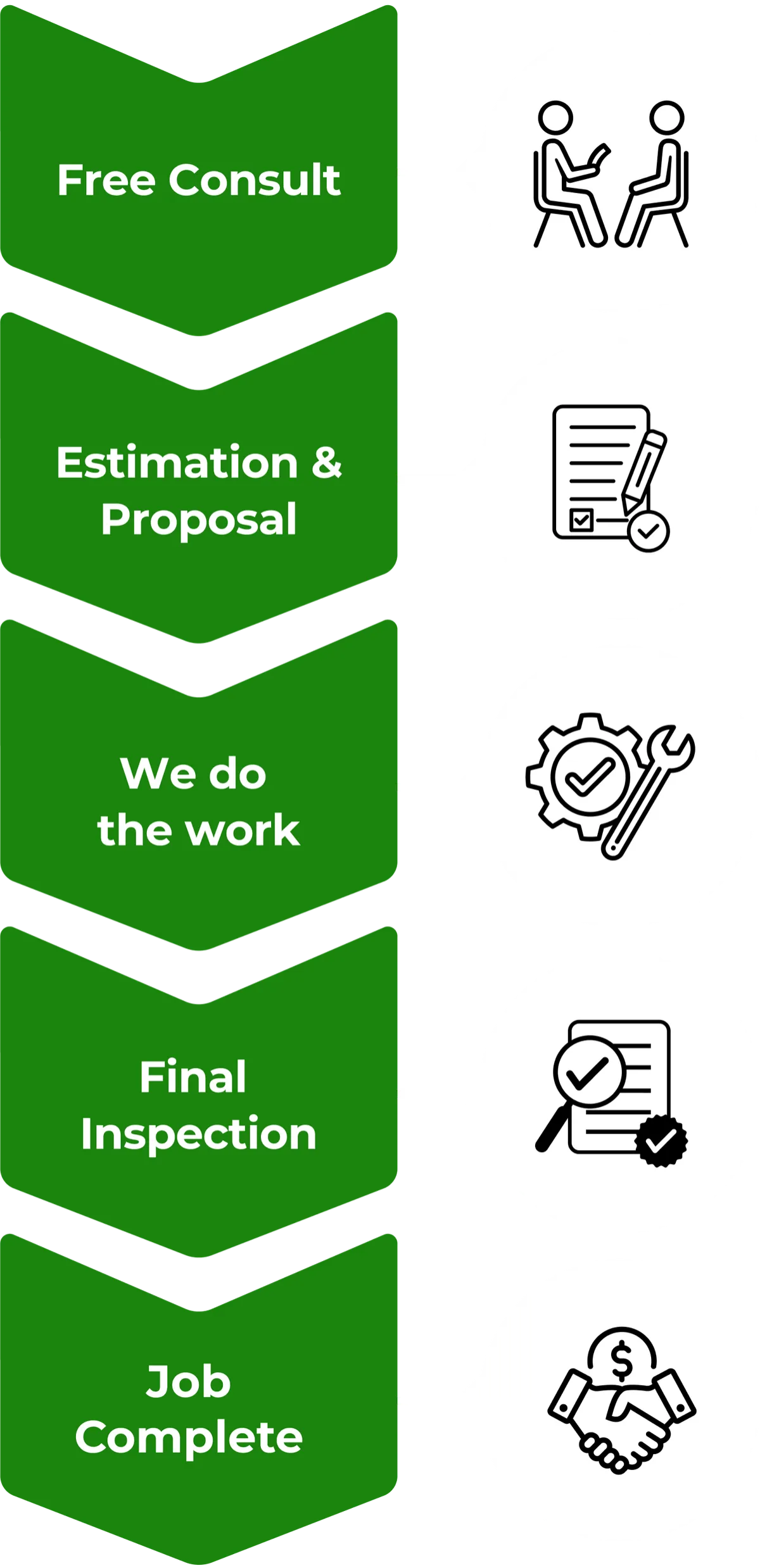
our process
Our process is simple and only contains a few simple steps

SERVICE AREAS
proudly serving Clayton

READY TO take the next step?
get a free quote TODAY!
PLR Property Maintenance Handyman
179/248-266 Osborne Ave, Clayton South VIC 3169
